Published March 2026 • 15 minute read
Nutrient Density: A Central Concept
Nutrient density refers to the amount of nutritional value (vitamins, minerals, fiber, and phytonutrients) provided per calorie or per unit of food. While all foods have a place in balanced eating, some foods deliver more nutritional value relative to their caloric content.
Understanding nutrient density shifts focus from simplistic calorie counting to more meaningful evaluation of food quality and nutritional value.
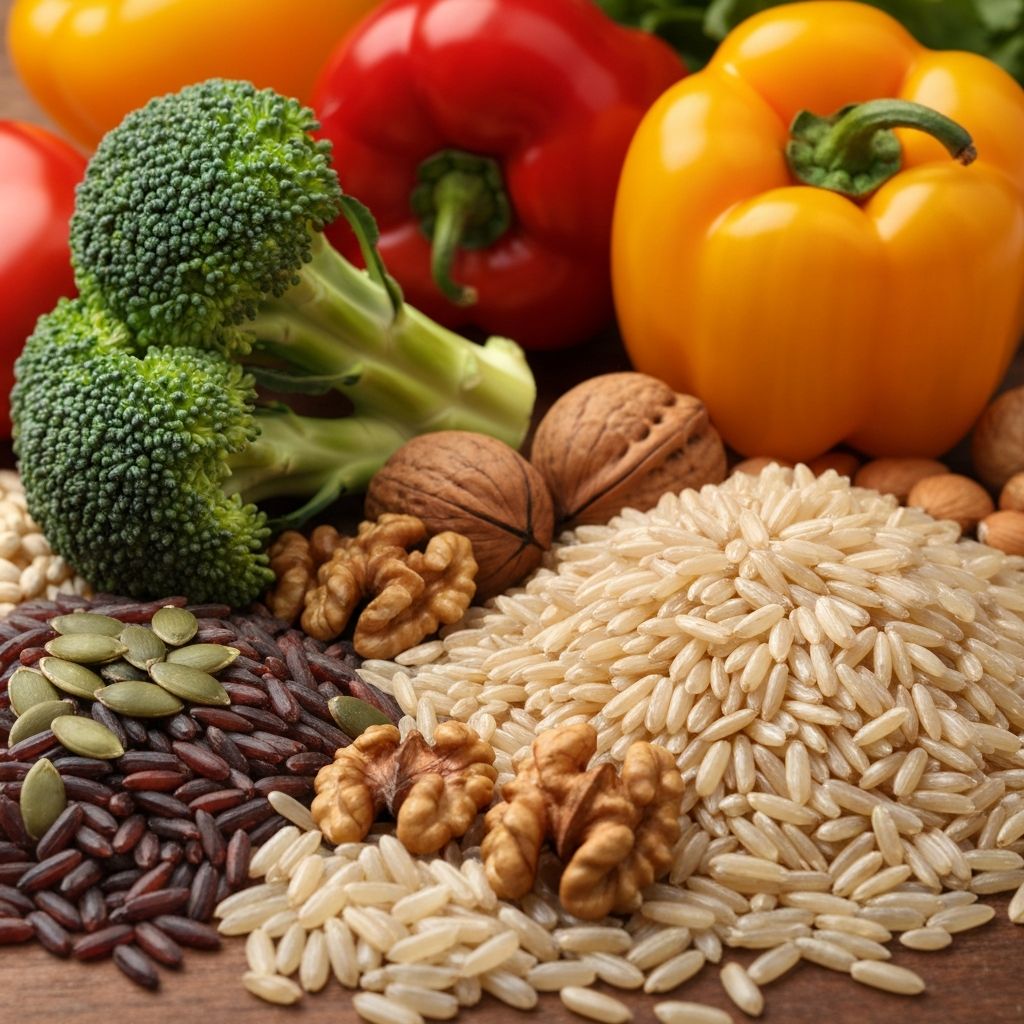
Examples of Nutrient Density
High Nutrient Density Foods
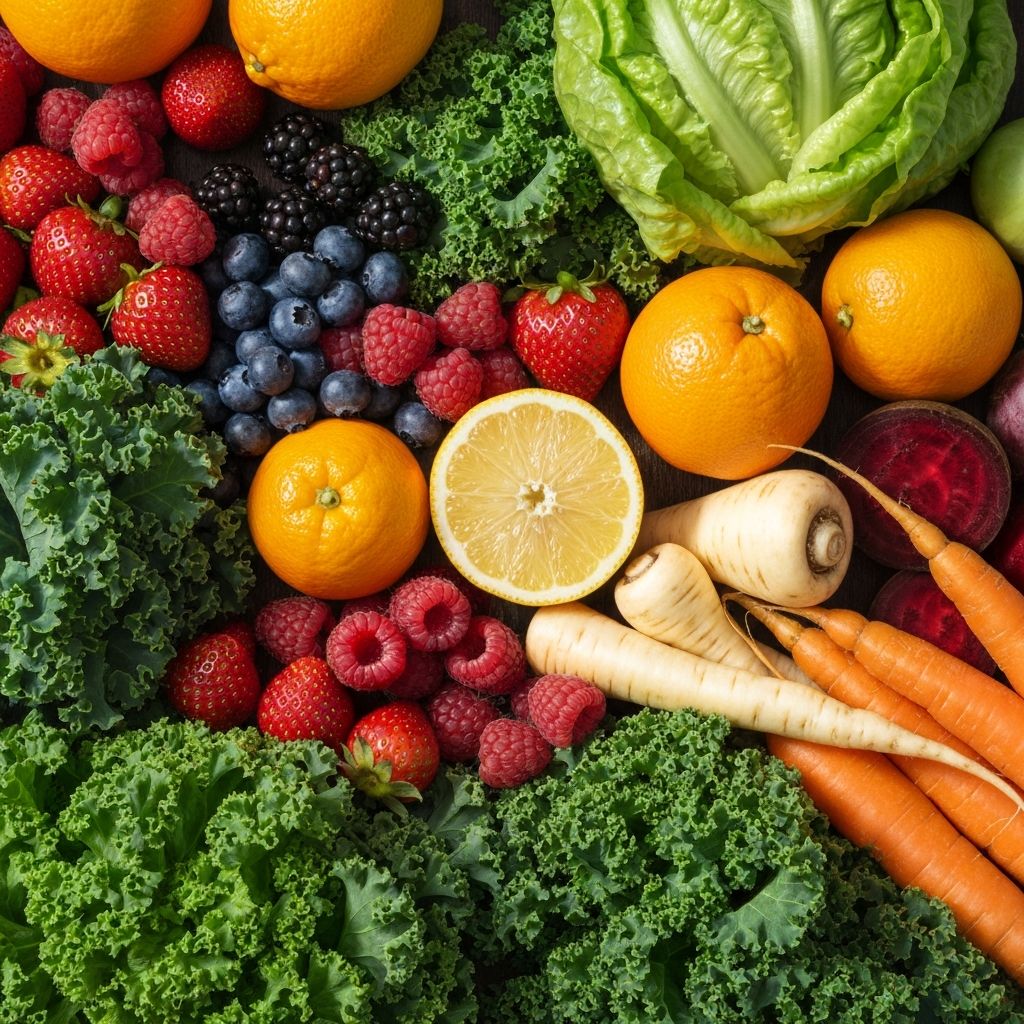
- Leafy greens: Spinach, kale, lettuce—rich in vitamins, minerals, fiber; very low calories
- Cruciferous vegetables: Broccoli, cauliflower, Brussels sprouts—contain beneficial compounds; high fiber, low calorie
- Berries: Blueberries, strawberries—rich in antioxidants and fiber; moderately low calorie
- Legumes: Beans, lentils, chickpeas—excellent protein and fiber sources; rich in minerals
- Whole grains: Oats, brown rice, quinoa—provide fiber, B vitamins, minerals compared to refined grains
- Nuts and seeds: Almonds, walnuts, flax seeds—nutrient-dense despite higher calories; provide healthy fats and minerals
- Fatty fish: Salmon, mackerel—rich in omega-3 fatty acids, vitamins, and minerals
Lower Nutrient Density Foods
Lower nutrient density foods are calorie-dense but provide fewer vitamins, minerals, and fiber. These include highly processed foods, foods with added sugars, fried foods, and foods with refined grains. This doesn't mean these foods have no place in a diet, but they should ideally comprise a smaller portion of total intake.
Satiety and Nutrient Density
Nutrient-dense foods often promote greater satiety (feeling of fullness) relative to caloric content. This occurs through multiple mechanisms:
- Fiber content: Dietary fiber increases meal volume and promotes digestive signals of fullness
- Protein content: Protein is the most satiating macronutrient, producing stronger fullness signals than carbohydrates or fats
- Water content: Foods with high water content (vegetables, fruits) add volume with few calories
- Processing level: Whole foods typically produce greater satiety than processed alternatives, even with equivalent calories
This relationship between nutrient density and satiety suggests that focusing on food quality can support weight management more effectively than focusing exclusively on calorie restriction.
Key Concept
Nutrient-dense foods typically provide greater satiety per calorie, potentially supporting sustainable eating patterns without extreme restriction.
Practical Application: Building Nutrient-Dense Meals
Vegetable Foundation
Build meals around vegetables—aim for variety and color. Vegetables are calorie-light but nutrient-rich, allowing room for other foods while maintaining adequate nutrition.
Protein Source
Include a protein source—animal or plant-based. Protein supports satiety, muscle maintenance, and numerous physiological functions.
Whole Grains or Starchy Vegetables
Include carbohydrate sources, preferably whole grains or starchy vegetables. These provide energy, fiber, and micronutrients.
Healthy Fat
Include a fat source—nuts, seeds, oils, or fatty fish. Fat supports nutrient absorption and provides essential fatty acids.

Plant-Based Proteins
Legumes, tofu, tempeh, nuts, seeds provide protein alongside fiber and micronutrients.
Animal-Based Proteins
Poultry, fish, eggs, dairy provide protein and various micronutrients in different profiles.
Whole Grains
Oats, quinoa, brown rice, whole wheat provide fiber, B vitamins, and minerals.
Variety of Produce
Different colors and types of vegetables and fruits provide different nutrient profiles.
Addressing Common Misunderstandings
Continue Your Learning
Explore related topics for comprehensive understanding.
Read: Macronutrients and Micronutrients Read: Sustainable Approaches